


Economic Development
Doing Development Differently
International aid must use different approaches to address the massive systemic problems it seeks to solve.

International aid must use different approaches to address the massive systemic problems it seeks to solve.
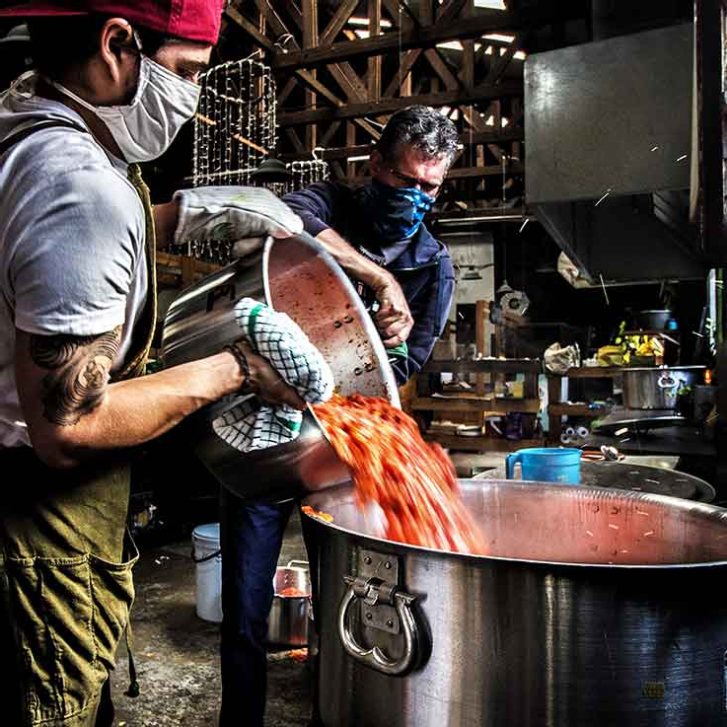
How civil society responses to COVID-19 in South Africa are resisting the all-too-common return to pre-crisis “normal.”

Schools must help liberate their students and their families from social injustice and support the revitalization and sustainability of their communities and environment.
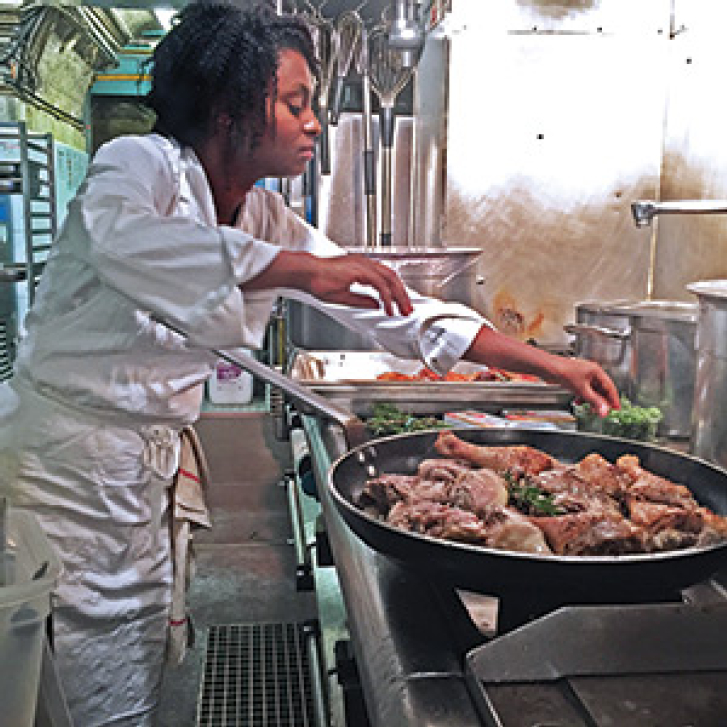
Food for Soul’s refettorios are feeding the poor, finding a solution to food waste, and building community spirit.
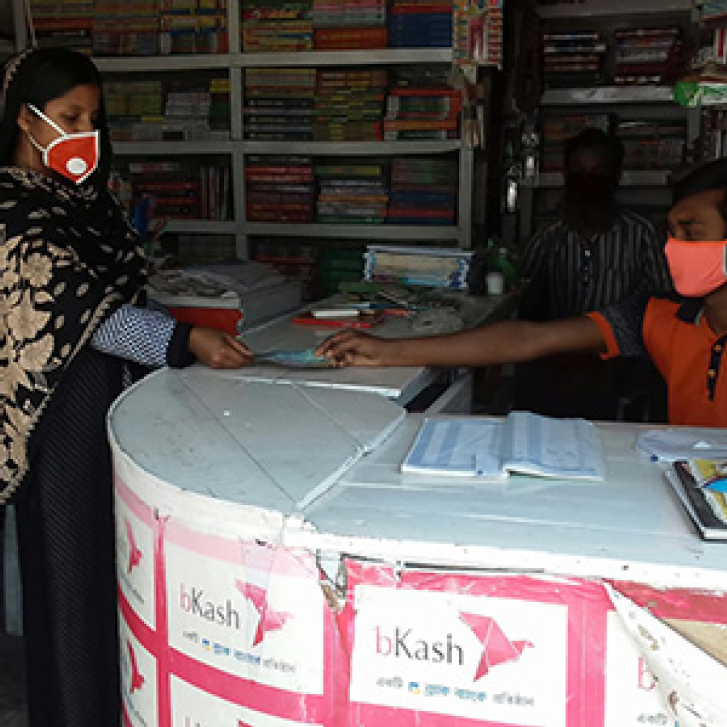
Five lessons from a global development organization in Bangladesh that used a digital cash transfer program to help poor families struggling with COVID-19. Part of a series on civil society's response to the pandemic.
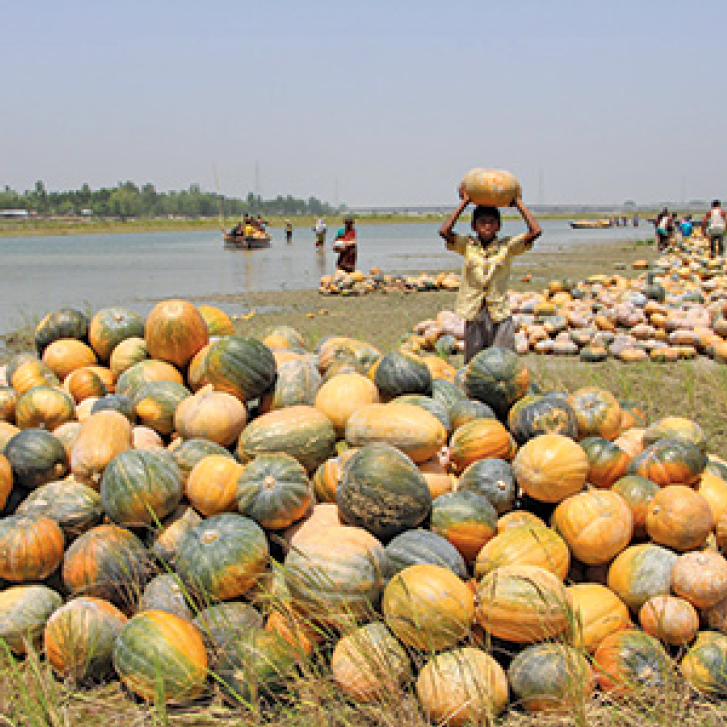
Securing Water for Food supports entrepreneurial innovations aimed at helping farmers in developing nations maximize food production and minimize water usage. A Field Report from the Summer 2020 issue.
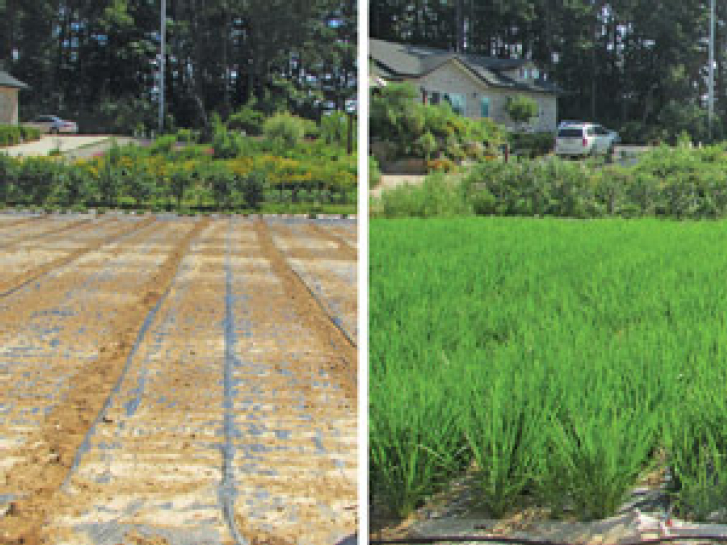
South Korea’s Green and Seed is using new technology to move more of the world’s rice production upland, out of flooded fields. A What's Next article from the Fall 2019 issue.

Grantmakers In Health presents a snapshot of the latest thinking from health funders, researchers, and advocates on healthy eating and active living (HEAL) and healthy communities.
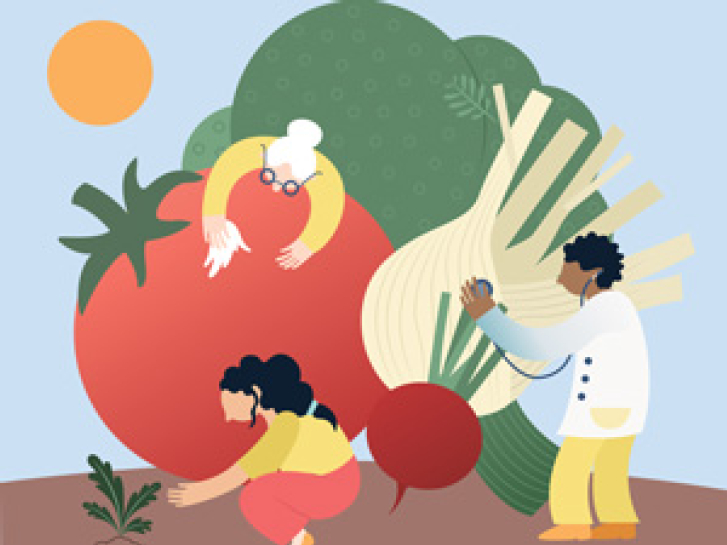
To ensure equitable health outcomes, we need to be explicit about goals, build transparent relationships with local communities, address underlying issues that drive health disparities, and measure and adjust outcomes accordingly.

Building effective policy advocacy campaigns, creating programs that support sustainable systemic changes, and engaging parents to identify and advocate for critical issues are all key to supporting healthy schools and communities.